Bursting pipes can be
a common problem in winter due to frozen water, but even in warmer months, it’s
possible to have your pipes burst due to the pressure built up in your plumbing
system. If you suspect that you might have bursting pipes, or if you want to
learn how to prevent pipe bursting, keep reading for these five tips from an
expert of plumbing in Pickering. You’ll know how to
stop pipe bursting before it happens!
Open the Cabinet
Doors:
One of the most
important things you can do to prevent your pipes from freezing is to open the
cabinet doors in your kitchen and bathroom. This allows warm air to circulate
around the pipes and keep them from freezing. Be sure to close the doors when
you are done cooking or bathing so that heat doesn't escape.
Direct Warm Air to
the Colder Sections of Your Home:
A plumbing Pickering expert suggests
directing warm air to the colder sections of your home. This can be done by
opening up the doors to rooms that are not being used and closing the doors to
rooms that are. You can also use a space heater in the room where the coldest
pipes are located. If you have an electric stove, turn it on low so that the
heat travels into other parts of the house. The same can be accomplished with a
fireplace or wood-burning stove.
Keep One or Two
Faucets Running:
One way to prevent
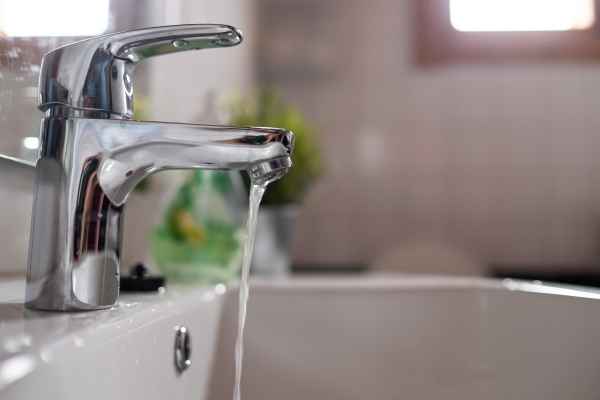
your pipes from freezing and then bursting is to keep at least one faucet
running at all times. This will help ensure that water is flowing through your
pipes, which will help keep them from freezing. However, this isn't always a
foolproof solution. If you live in an area where the temperature drops below 0
degrees Fahrenheit (-18 degrees Celsius), you should call an emergency plumber in Pickering as soon as possible.
Use a Heat Pipe:
A heat pipe is a
device that transfers heat from one point to another. It consists of a sealed
tube with a working fluid inside. The fluid evaporates at the hot end, absorbs
heat, and then condenses at the cold end, releasing the heat. This process is
repeated over and over, allowing the heat pipe to transfer large amounts of
heat quickly and efficiently. Installing a heat pipe is a great way to prevent
pipe bursting.
Seal Any Leaks that
Let in Cold Air:
It’s important to
seal any leaks that let in cold air. Check all the seals around your doors and
windows, and if you find any cracks or gaps, caulk them up. You can also
insulate your pipes to help keep them from freezing.
Having to deal with
burst pipes can be frustrating and costly, especially if it’s not your first
time having to deal with this issue. Fortunately, the tips mentioned above will
help prevent pipe bursting in the future. When in doubt, don’t hesitate to seek
the help of a professional plumber offering services such as drain repair in Pickering and more.